Winter is hard on skin. The air gets dry, the heat runs nonstop, and somewhere around January your hands start to feel like sandpaper and your lips refuse to stop cracking. Even people who never think about skincare notice it.
This kit is the fix. It’s twelve products that hold up when the cold really sets in, grouped by where you need them most: your face, your body, and the spots that suffer first, like hands and lips.
There’s nothing trendy here and nothing overpriced. These are the kinds of products dermatologists commonly recommend and that people tend to buy again every winter.
A quick note before you start. You don’t need all twelve at once. If your skin is mostly fine, begin with a gentler cleanser and a better moisturizer, and add from there.
If you have a skin condition like eczema or rosacea, check with your dermatologist before changing your routine. Winter can make both flare, and a product that works for a friend may not work for you.
Let’s start with your face, since it’s the part everyone sees.
Save for later 15 Cute Winter Outfits That Will Keep You Warm and Stylish All Season
For your face
Facial skin is thinner and more exposed than the rest of your body, so it shows winter damage first. These products below cover the basics.
1. CeraVe Moisturizing Cream, 19 oz Tub
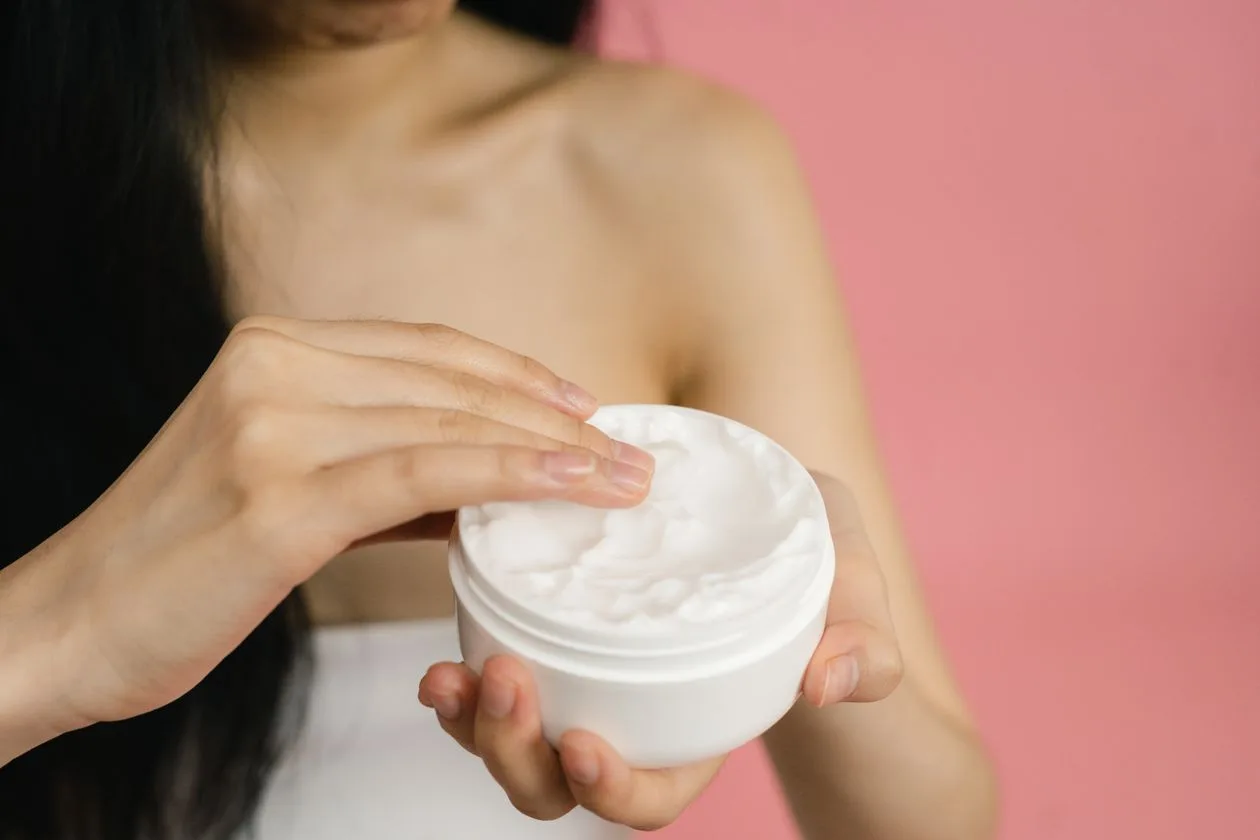
Best for: anyone whose face feels tight by midday in winter.
This is the big tub with the blue label, and it is a winter staple for a reason.
It has ceramides and hyaluronic acid, it absorbs without feeling greasy, and one tub lasts months. Dermatologists recommend it constantly, and it works for sensitive skin.
Worth knowing: the cream is thicker than the CeraVe lotion in the pump bottle. In winter, thicker is what you want. Around eighteen dollars for 19 ounces is hard to beat.
2. CeraVe Hydrating Facial Cleanser, 16 oz
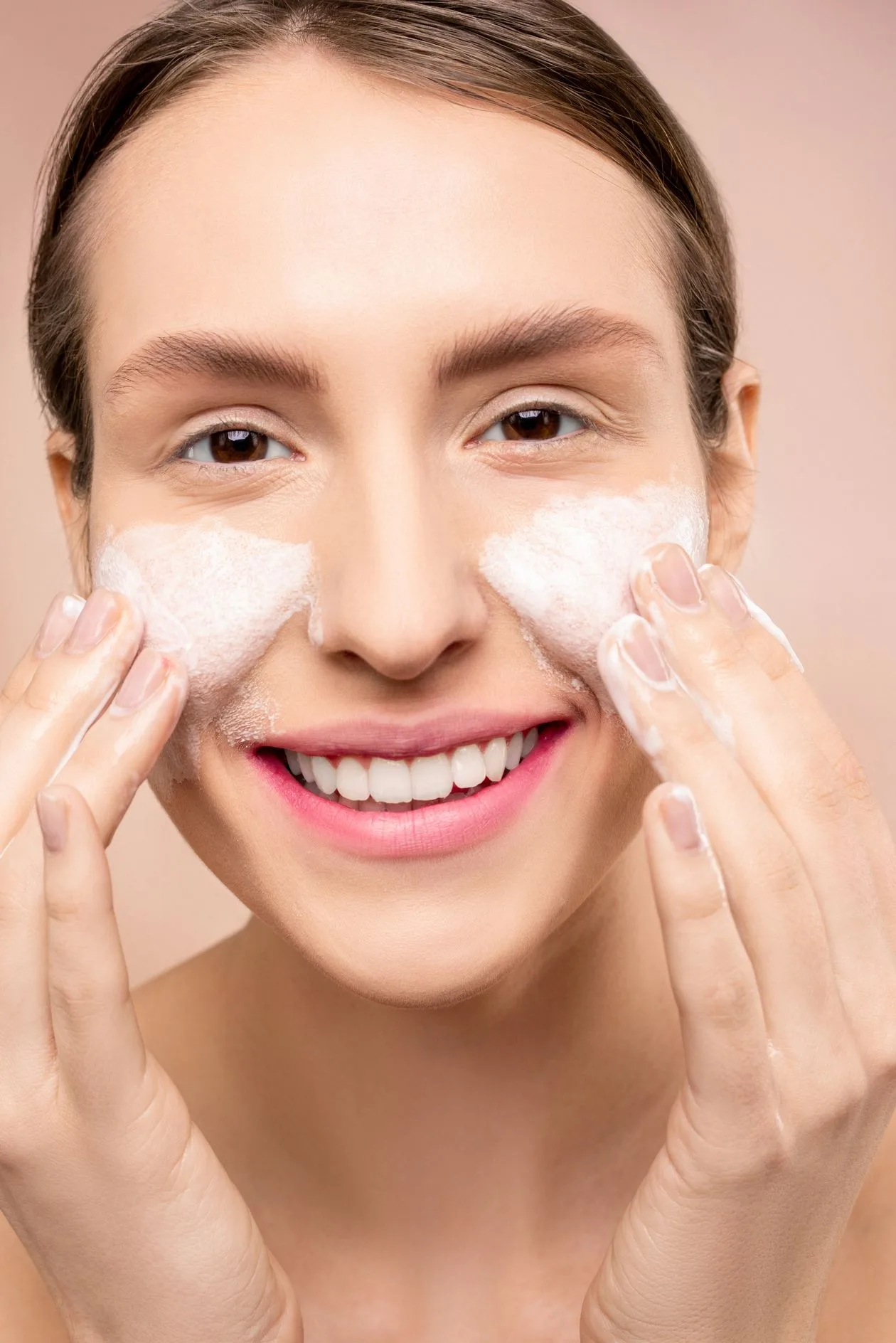
Best for: the person washing their face with something too harsh.
A lot of winter dryness starts at the sink. Foaming cleansers strip the oils your skin is already losing to the cold air.
This one cleans without that tight, squeaky feeling, and it has the same ceramides as the moisturizer above.
Worth knowing: it does not foam much, which surprises people at first. That is normal. Pair it with the CeraVe cream and you have a complete routine for under thirty dollars.
3. The Ordinary Hyaluronic Acid 2% + B5
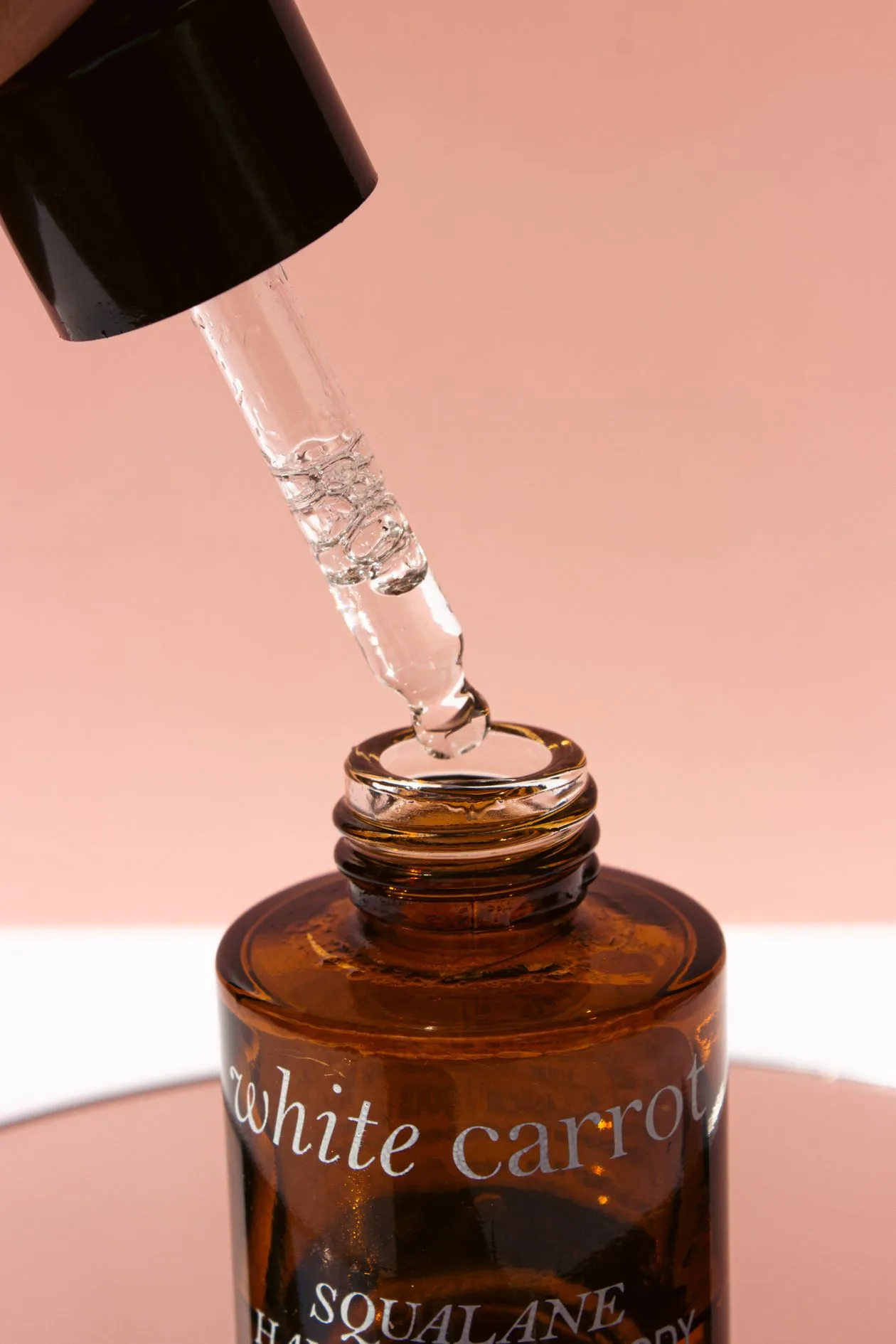
Best for: adding real hydration under your moisturizer.
Hyaluronic acid pulls moisture into the skin, which is exactly what winter air steals.
The Ordinary’s version is the one everyone started with because it works and costs less than ten dollars. A few drops before moisturizer, morning and night.
Worth knowing: apply it to damp skin, not dry. On dry skin in dry air it can actually pull moisture the wrong way. Damp face, serum, then cream on top.
4. Vanicream Moisturizing Cream, 16 oz Pump
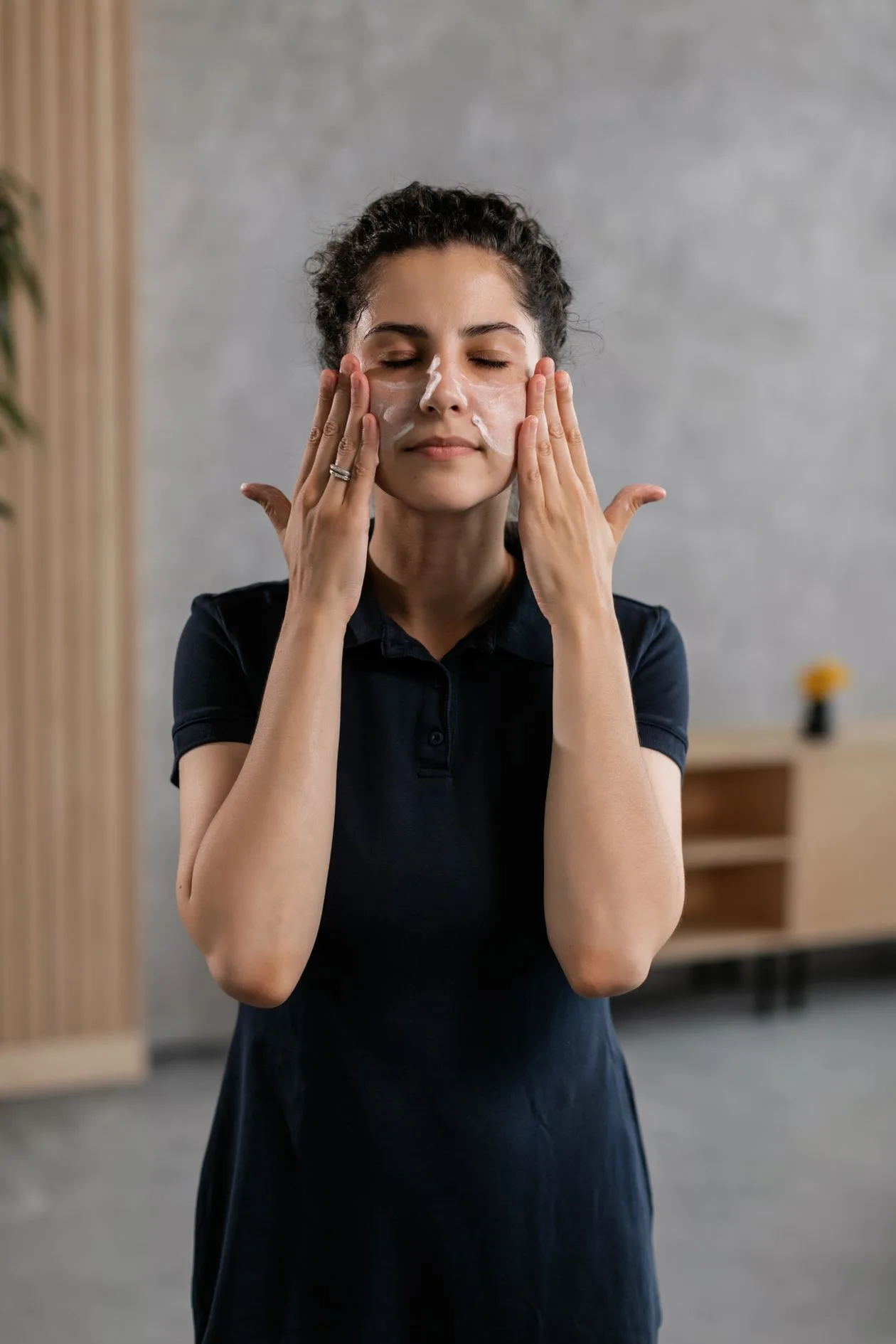
Best for: sensitive skin that reacts to everything.
Vanicream is the brand dermatologists suggest when skin cannot tolerate fragrance, dyes, or fancy actives.
This cream is simple and thick, and the pump bottle keeps it clean. It is a favorite for eczema prone skin in winter.
Worth knowing: if CeraVe stings your face, try this instead. The ingredient list is short on purpose. Sixteen ounces with a pump lasts a long time.
5. La Roche-Posay Lipikar Balm AP+ Intense Repair
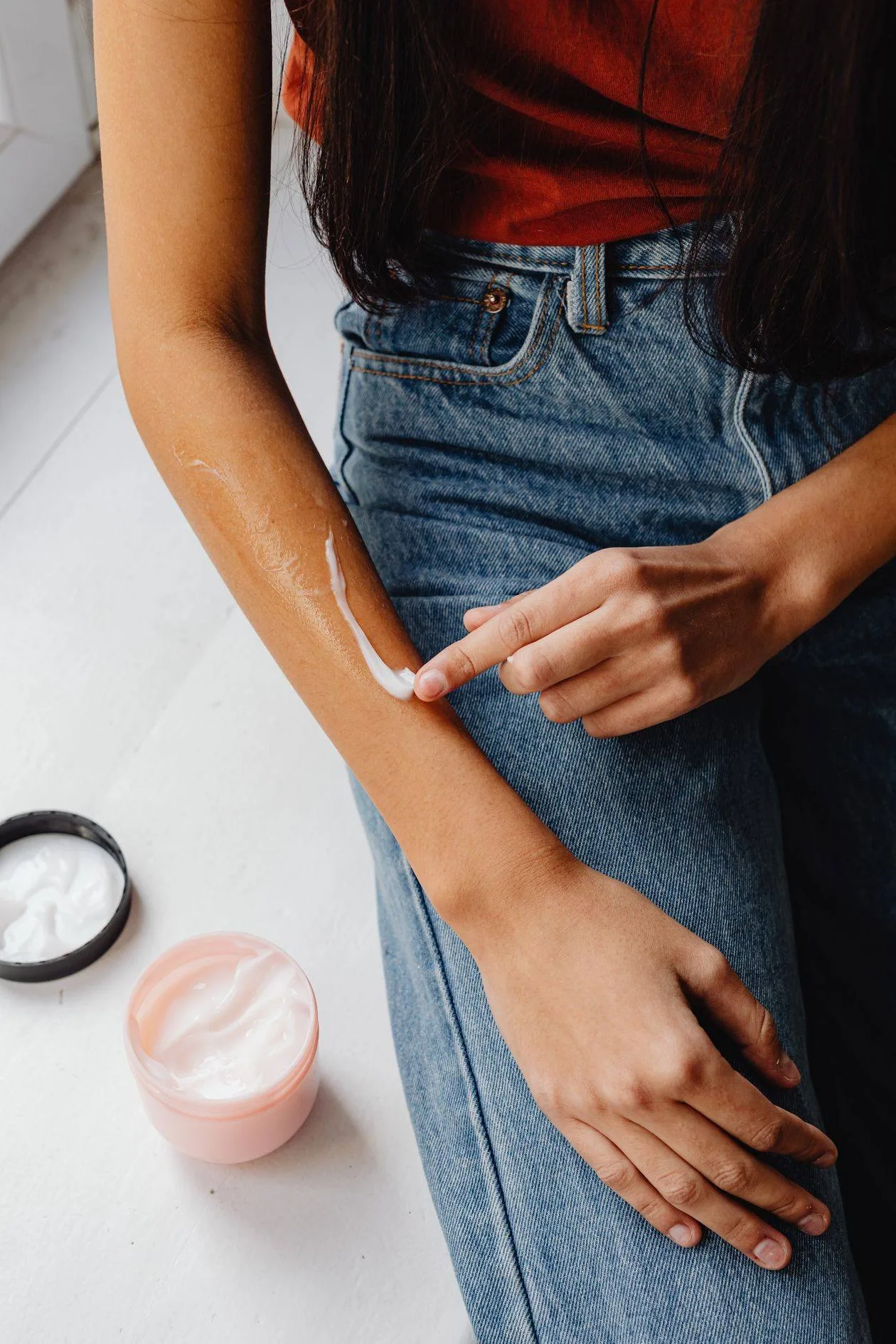
Best for: very dry, uncomfortable winter skin that needs the heavy stuff.
When regular lotion is not cutting it, this is the step up. It is a rich balm made for dry to eczema prone skin, face and body.
La Roche-Posay is a French pharmacy brand with a loyal following, and this balm is one of its best sellers.
Worth knowing: a little goes a long way. It feels richer than the CeraVe and Vanicream picks, so it is best for nighttime or the driest patches.
For Your Lips
See: What to Wear to a Holiday Party: 20 Festive Finds (Velvet, Sequins & Statement Earrings)
6. LANEIGE Lip Sleeping Mask, Berry
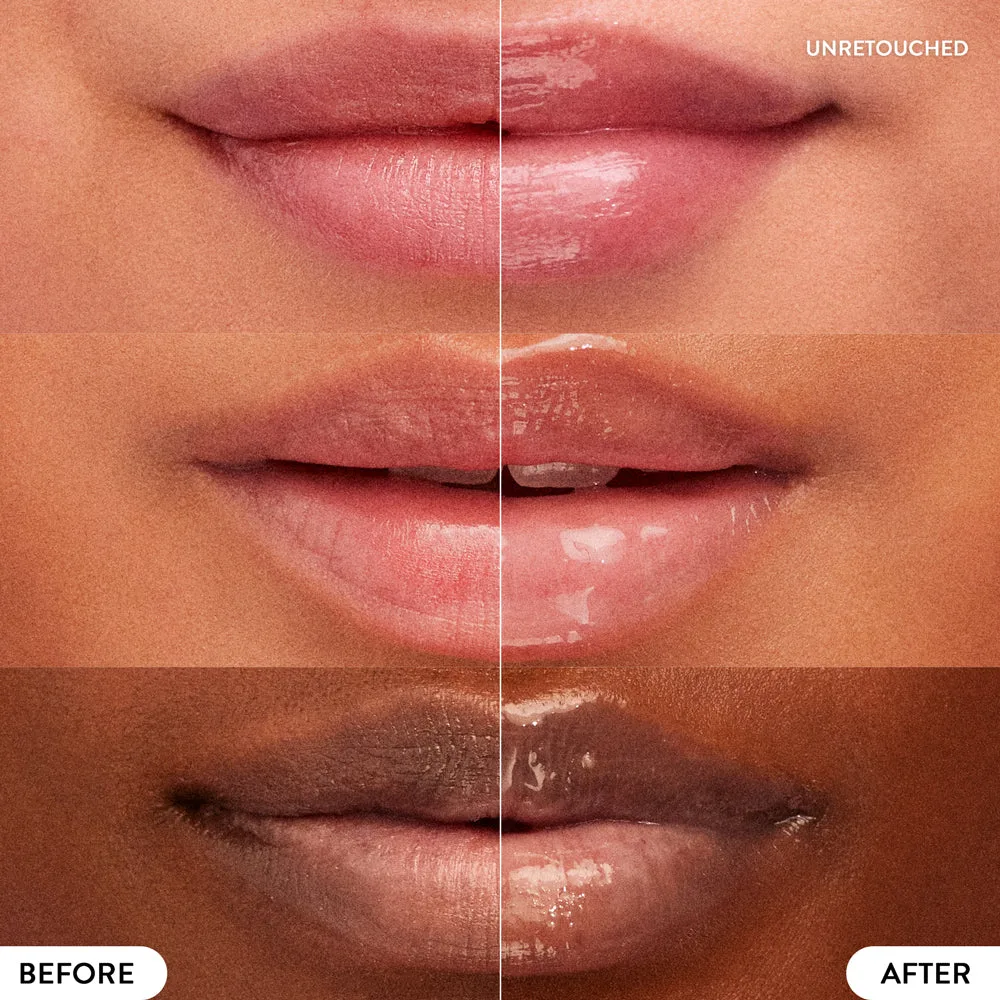
Best for: lips that are cracked no matter what balm you use.
This is the product that made lip sleeping masks a thing. You put it on before bed, and you wake up with soft lips.
The berry version is the classic. It is pricier than a drugstore balm, but one pot lasts for months.
Worth knowing: use it at night, not as a daytime balm. It is thick and glossy, made to work while you sleep. If the price feels steep, the Aquaphor pick below does a similar job for less.
7. Burt’s Bees Moisturizing Lip Balm, 4 Pack
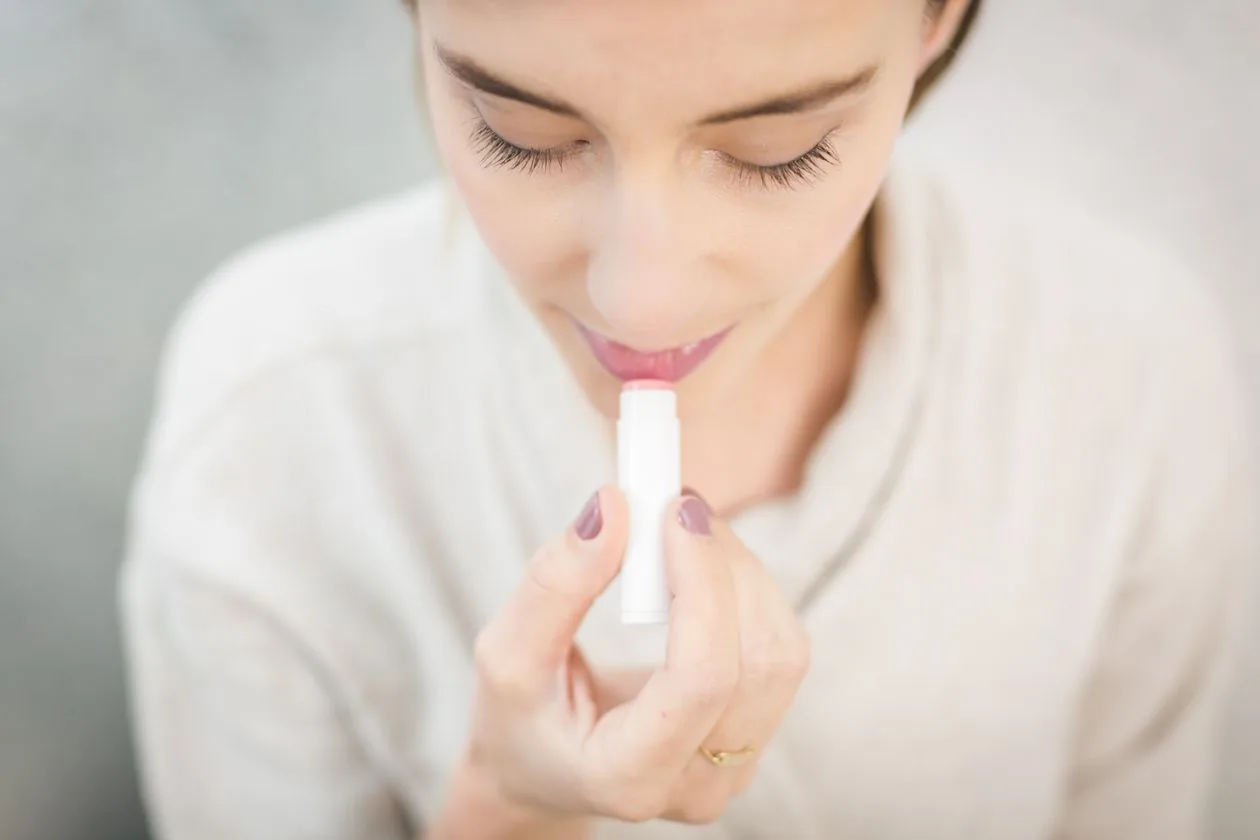
Best for: keeping one in every coat pocket.
Sometimes you just need a good basic lip balm, four of them. Burt’s Bees with beeswax is the original, and the four pack means you can stash them everywhere. Under ten dollars for the set.
Worth knowing: the classic has a slight peppermint tingle. If that bothers you, look for the unflavored version. These are daytime balms, not overnight treatments.
8. Aquaphor Lip Repair, 2 Pack
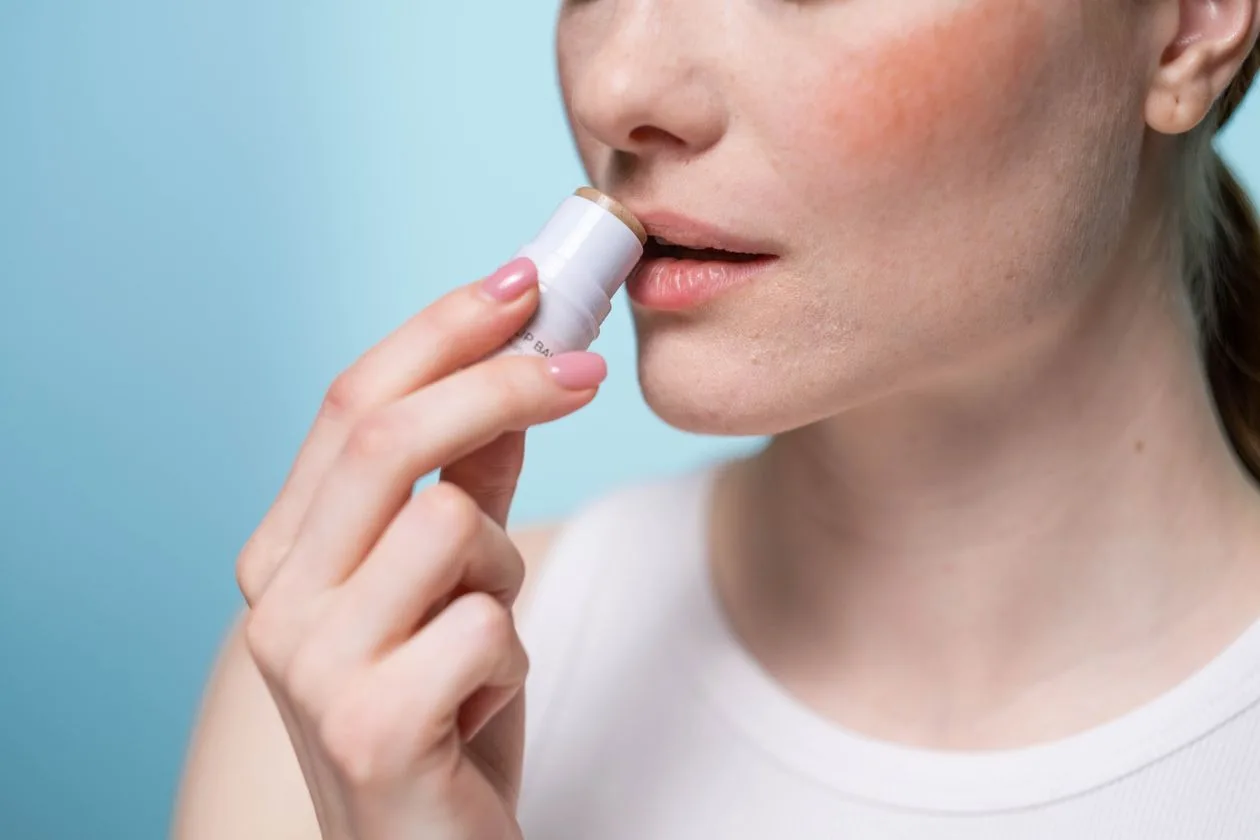
Best for: seriously chapped lips that need healing, not just moisture.
Aquaphor is what people reach for when lips are actually damaged.
It seals in moisture and protects while skin repairs itself. The two pack is cheap, and it works fast. This is the no nonsense option.
Worth knowing: it is an ointment, so it feels heavier than a balm stick. That is the point. Use it at night or when lips are at their worst.
For Hands, Feet and Body
See: Bridal Loc Styles for Every Wedding: 25 Elegant Looks to Inspire Your Big Day
9. O’Keeffe’s Working Hands Cream, 3.4 oz Jar
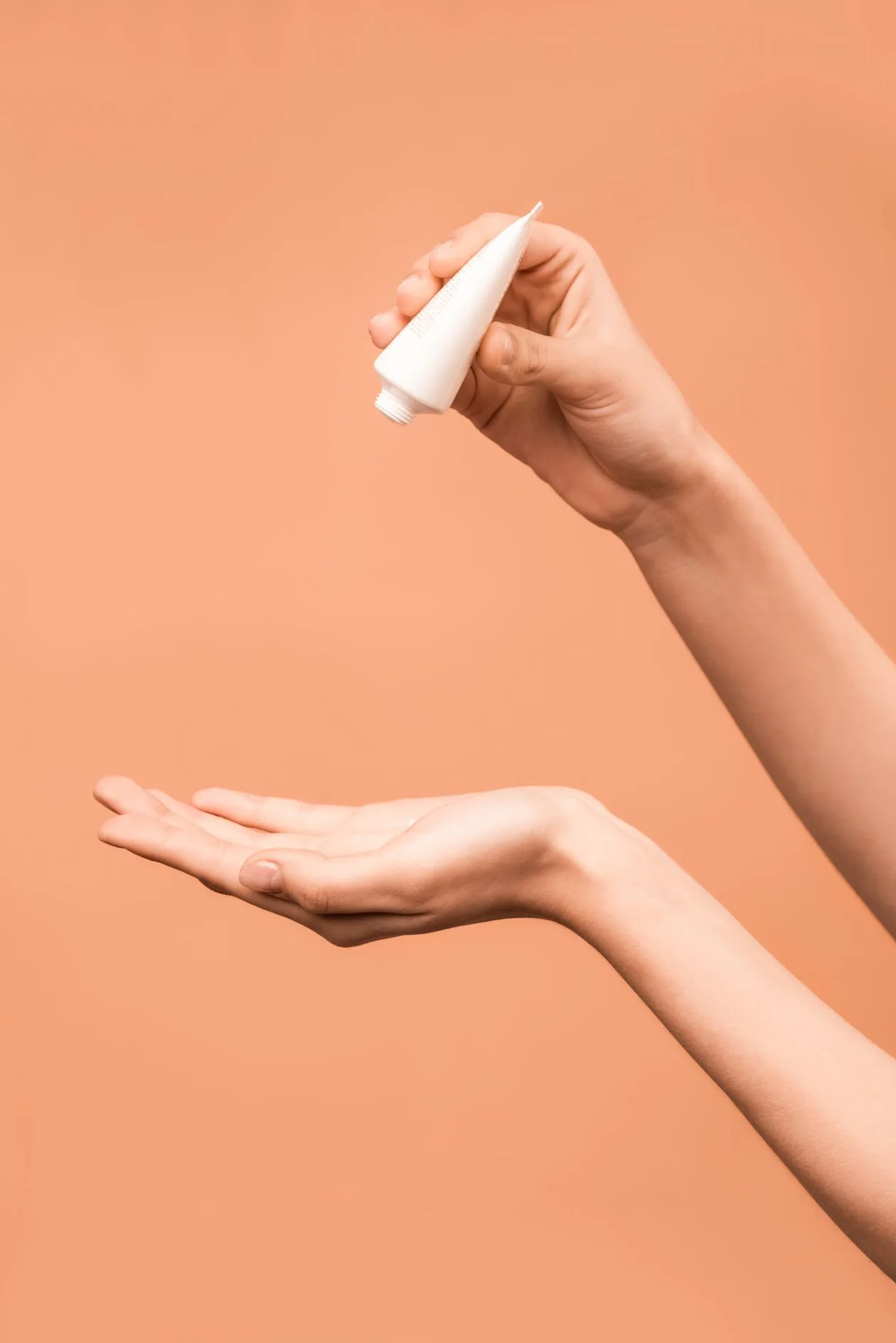
Best for: hands that crack and split every winter.
O’Keeffe’s is the hand cream for people who work with their hands. It was made for dry, cracked skin, not for smelling nice.
One application lasts through hand washings, which is why nurses and mechanics swear by it.
Worth knowing: use it at night for the best results. It is unscented and not greasy once it absorbs. Around ten dollars, and a jar lasts a while.
10. O’Keeffe’s Healthy Feet Cream, 3.2 oz Jar

Best for: cracked heels that sandals will expose come spring.
Same idea as the Working Hands, made for feet. Winter is when heels get rough, and this cream softens them up. Put it on before bed, and wear socks over it if you want it to work faster.
Worth knowing: this is the Healthy Feet version, not the lidocaine one. Double check the jar when ordering, since the packaging looks similar.
11. NIVEA Creme, Classic Blue Tin
Best for: everything. This is the do it all winter cream.
The blue tin has been around for over a century, and it still works. Thick, simple, cheap.
Use it on hands, elbows, knees, anywhere that gets rough. It is the cream grandmothers trusted, and they were right.
Worth knowing: it is heavy, so it is best for body, not face. A little goes a long way. The tin lasts forever and costs just a few dollars.
Continue reading 25 Girls Gone Mild Bachelorette Activities: Classy, Fun & Low-Key Party Ideas
For the Air Around You
See: Locs Updos for Weddings and Formal Events: 25 Elegant Looks to Inspire You
12. Pure Enrichment MistAire Cool Mist Humidifier

Best for: fixing the actual cause of winter dryness.
Here is the truth: no cream fully fixes skin when the air itself is dry. Indoor heating drops humidity to desert levels, and a humidifier puts it back. This one is quiet, easy to clean, and runs all night. Around forty dollars, the one investment pick on the list.
Worth knowing: clean it weekly so it does not grow anything funky. Use distilled water if your tap water is hard. Your skin, your sinuses, and your houseplants will all notice the difference.
The bottom line
Winter skin doesn’t need a complicated routine. It needs a gentler cleanser, a richer moisturizer, daily sunscreen, and a little extra care for the places that take the most abuse, like your hands and lips. Do those few things consistently and January gets a lot more comfortable.
If twelve products feels like too many, don’t buy them all this week. Start with the one that bothers you most. If it’s your face, begin with the moisturizer. If your hands are cracking, begin there. Add the next product only once the first has become a habit, and you’ll quickly learn what your skin really responds to.
And pay attention to what your skin tells you. Redness that won’t fade, painful cracks, or patches that keep returning are signs to see a dermatologist rather than keep layering products on top.
Be kind to your skin this season. It’s working hard out there.